I m Not Always Sarcastic PNG, Funny SVG Review
A Designer's Take on Sarcasm and Stitching
As someone who has spent years navigating the intersection of digital graphics and physical thread, I approach every new machine embroidery design with a critical eye. When I first opened the files for I m Not Always Sarcastic PNG, Funny SVG, my initial reaction was one of cautious optimism. The retro checkerboard aesthetic is undeniably trendy, but translating that visual punch into a durable, high-quality stitch requires more than just downloading an embroidery file. This design falls squarely into the realm of T-Shirt Designs and bold Graphics, promising a personality-driven statement piece. However, before I commit this to a client project or add it to my own shop inventory, I need to understand how the vector lines translate into satin and fill stitches.
The Vibe and Visual Personality
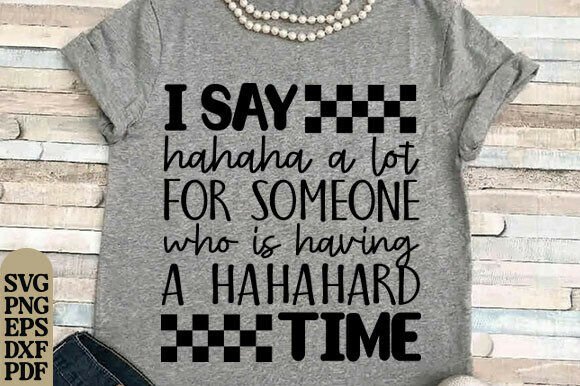
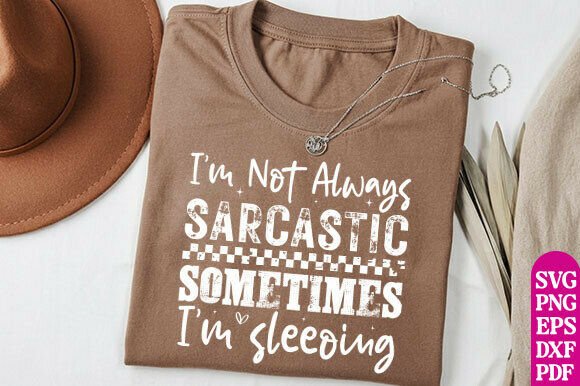
The mood here is unmistakably playful and self-aware. The phrase "I'm Not Always Sarcastic" paired with a retro checkerboard pattern creates a visual rhythm that appeals to a specific demographic: the witty, the slightly cynical, and the fashion-forward. In the world of digital product sellers and Etsy sellers, designs that convey attitude often outperform generic floral or nature motifs. The layout is balanced, with the text taking center stage and the checkers providing a textured background without overwhelming the message. For a handmade product, this kind of graphic offers immediate recognition. It feels like something you would want on a cozy sweatshirt or a sturdy tote bag, instantly communicating the owner's sense of humor.
Real-World Application: The Custom Sweatshirt Scenario
Let’s imagine a real-life scenario where I am preparing a custom order for a small boutique. A customer wants a black crewneck sweatshirt featuring this design as a holiday gift. The challenge lies in the contrast and the density. If I were to use this embroidery project on a dark fabric, the white or light-colored thread would pop beautifully against the black cotton blend. However, the checkerboard pattern introduces complexity. In a sweatshirt embroidery context, the fabric has a natural nap and texture. If the stitch density is too low, the dark fabric might show through the gaps in the checkers, ruining the crisp look. Conversely, if the density is too high, the thick knit of the sweatshirt could pucker, distorting the straight lines of the retro grid.
I would likely start by digitizing the text with a clean satin stitch to ensure legibility, while using a tight fill stitch for the checkerboard sections. The key is to test the design on scrap fabric first. I always recommend creating a printable mockup in black and white to see how the shapes hold up without color distraction. This helps verify that the corners of the checkers remain sharp and do not blur into each other when stitched.
Where This Design Shines
- Custom Apparel: This design works exceptionally well on structured garments like denim jackets, canvas aprons, or heavy-weight t-shirts where the fabric can support the weight of the thread.
- Tote Bag Design: The durability of canvas makes it an ideal surface for the geometric patterns found in I m Not Always Sarcastic PNG, Funny SVG. The large hoop size required allows for a full chest placement that looks professional.
- Embroidered Patch: Converting this into an applique design or a standalone patch is a smart move. It allows for precise control over the backing and ensures the edges are clean, making it perfect for hats or backpacks.
- Holiday Embroidery: As a personalized gift, this fits perfectly into the quirky gift market. It adds a layer of fun to standard items like pillow covers or kitchen towels.
Navigating Potential Pitfalls
While the concept is strong, there are specific areas where this design requires careful handling. Small hoop sizes are a definite no-go. The combination of text and a patterned background needs room to breathe. Attempting to shrink this into a 4x4 inch hoop for a baby onesie or a cap front will likely result in illegible text and muddy checkers. The tiny lettering in the phrase could become indistinguishable if the scale is reduced too much.
Fabric choice is another critical factor. On thin or stretchy fabrics, the tension required to stitch the dense checkerboard pattern could cause warping. I would advise using a heavy-duty stabilizer and perhaps tearing away the excess carefully after stitching to maintain the garment's drape. Additionally, curved surfaces like caps present a unique challenge. The straight lines of the retro checkers may distort when wrapped around a dome. In such cases, it is better to use this design on flat patches that are then sewn onto the hat rather than stitching directly onto the curved brim.
Impact on Product Value and Brand Trust
For a craft business or small shop product line, the quality of the finish determines customer trust. A poorly executed version of I m Not Always Sarcastic PNG, Funny SVG—with bleeding colors or uneven stitches—can make a brand look amateurish. However, when done right, the crispness of the retro style elevates the perceived value of the item. Customers buying commercial embroidery items expect precision. They want to see that the thread colors match the original graphic intent and that the finished product feels substantial.
This design also aids in buyer engagement. Humor is a powerful marketing tool. When a customer sees a finished item with this witty phrase, they are more likely to share it on social media, providing free exposure for your shop. It transforms a simple piece of clothing into a conversation starter. Whether it is a baby embroidery item (perhaps adapted for a toddler shirt) or a holiday gift for a friend, the emotional connection drives sales.
Practical Notes for the Maker
Before you finalize your production run, consider these practical steps. First, confirm the licensing terms provided with the digital embroidery file. Ensure you have the rights to sell finished goods if you are operating a commercial enterprise. Second, review the available file formats. You will receive SVG, PNG, EPS, PDF, and DXF files. While SVG and DXF are great for cutting machines, remember that for actual stitching, you may need to convert these into a format your specific machine understands, or use them as a guide for manual digitizing.
Always test the design on scrap fabric first. Check the thread color contrast against your intended material. If you are working with a dark background, ensure the lighter threads in the checkerboard are vibrant enough to stand out. Inspect small details closely; sometimes, the corners of geometric shapes can be tricky for the needle to navigate smoothly. Finally, compare light and dark fabric backgrounds to see how the design adapts. A design that looks great on white might need significant adjustment to look equally good on navy blue or charcoal gray.
Final Verdict
I m Not Always Sarcastic PNG, Funny SVG is a versatile asset for any designer looking to inject personality into their catalog. It bridges the gap between retro nostalgia and modern wit. While it demands attention to detail regarding hoop size, stitch density, and fabric stability, the potential payoff is a high-demand, visually striking product. For the experienced maker willing to put in the time to test and refine, this design offers a fantastic opportunity to create memorable custom apparel and personalized gifts that customers will love wearing and sharing.