Bad Day to Be a Lobster Funny SVG Review
As someone who has spent years stitching everything from delicate baby onesies to heavy-duty denim jackets, I approach every new machine embroidery design with a mix of excitement and skepticism. The market is flooded with graphics that look great on a screen but fall apart under the needle. When I first opened the file for Bad Day to Be a Lobster Funny SVG, my immediate reaction was curiosity. This one is for the people who laugh at dinner before dinner happens, which sets a specific tone right away. It promises humor, chaos, and a bit of culinary panic. But does it translate well from a digital preview to a physical, stitched reality? Let's dig into how this embroidery file holds up in a real-world studio setting.
The Visual Impact and Character Design
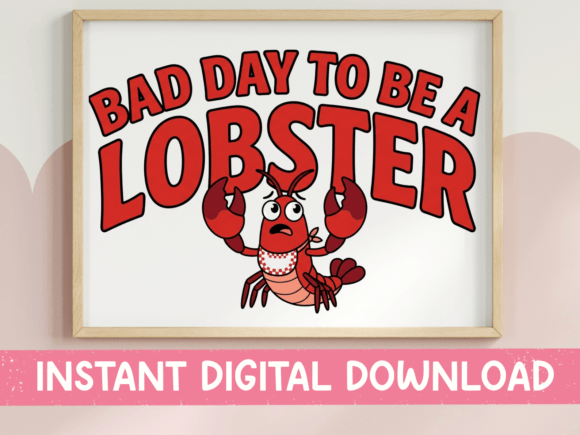
The core appeal of Bad Day to Be a Lobster Funny SVG lies in its character work. A wide-eyed cartoon lobster in a bib stands front and center, claws raised in mild panic. In the world of T-Shirt Designs, characters need to communicate emotion instantly. The wide eyes and raised claws are excellent choices for embroidery because they rely on bold shapes rather than microscopic details. When you are working with fill stitch, maintaining clarity is paramount. If a design relies too heavily on thin lines or tiny features, the thread can blur them together, especially on textured fabrics like sweatshirts or canvas tote bags.
Here, the "panic" expression is achieved through distinct eye placement and claw positioning, which should hold up well even if you scale the design slightly down. The inclusion of a bib adds a layer of narrative that makes this more than just an animal graphic; it tells a story. This storytelling element is crucial for handmade products sold on platforms like Etsy, where customers buy the personality of the item as much as the utility. The bold red arched lettering framing the scene provides a strong visual anchor. Arched text can be tricky in embroidery due to the curvature of the stitches, but the description suggests the lettering is bold, which usually means thicker outlines and better coverage, reducing the risk of fabric showing through the gaps.
Real-World Application: The Custom Apron Scenario
To truly test a design, I imagine placing it on a specific product. For Bad Day to Be a Lobster Funny SVG, the most natural fit isn't necessarily a standard cotton tee, but rather a kitchen apron or a heavy-duty chef's towel. Imagine a white canvas apron, sturdy enough to withstand frequent washing. Placing this design on the chest pocket area or centered on the bib of the apron creates a perfect thematic match. The "bib" on the lobster mirrors the actual bib of the apron, creating a clever visual pun that customers will appreciate.
In this scenario, the stitch density becomes a critical factor. Kitchen linens often get scrubbed and washed hot. If the thread colors are not saturated enough or if the backing stabilizer is insufficient, the design might pucker or fray over time. I would recommend using a cutaway stabilizer here rather than a tear-away one to ensure longevity. The red arched lettering needs to pop against the white background, so selecting a high-quality polyester thread with good sheen will elevate the finished product from a simple craft project to a professional boutique item. This kind of attention to detail separates a hobbyist from a serious craft business owner.
Navigating Fabric and Hoop Challenges
While the design looks promising, there are specific situations where Bad Day to Be a Lobster Funny SVG requires careful handling. First, consider the hoop size. The combination of the lobster, the bib, and the arched text likely demands a medium-to-large hoop. If you attempt to squeeze this into a small 4x4 inch hoop, you risk distorting the proportions, making the lobster look squashed or the text unreadable. Always check the dimensions of your digital embroidery file against your machine's capabilities before committing to a project.
Texture is another variable. On a smooth cotton jersey, this design will stitch beautifully. However, on a fleece sweatshirt or a wool blend, the nap of the fabric can interfere with the needle penetration and thread lay. You may need to adjust your tension settings to prevent the fabric from pulling up into the stitches. Additionally, if you plan to use this on dark fabrics, the bright red lettering and the light colors of the lobster will require extensive underlay stitching to ensure the colors remain vibrant. Without a solid underlay, the dark fabric can show through the gaps in the fill stitch, dulling the impact of the design.
Curved surfaces present their own challenges. While a flat apron works well, trying to embroider this on a baseball cap could be problematic. The arched text might fight with the curve of the cap brim, leading to registration issues where the text doesn't sit perfectly straight relative to the garment. Unless you have a specialized cap frame and experience with curved embroidery, I would advise sticking to flat or gently curved items like tote bags, pillow covers, or the back of a hoodie.
Commercial Viability and Brand Consistency
For Etsy sellers and small shop owners, consistency is key to building a brand. Bad Day to Be a Lobster Funny SVG fits neatly into a "kitchen humor" or "seafood lover" niche. It pairs well with other nautical themes or food-related puns. If you are building a collection of commercial embroidery assets, this design serves as a strong anchor piece. Its clear, bold style ensures that when photographed for printable mockups or social media, the design remains legible even at smaller sizes.
However, before listing any finished goods, you must confirm the licensing terms. Many Graphics files are sold for personal use only, meaning you cannot sell the embroidered item without a commercial license. Ensure you have the rights to produce and sell custom apparel featuring this design. Selling unauthorized merchandise can damage your reputation and lead to legal issues. Once you have cleared the licensing, the design's potential to drive sales is high, particularly during holiday seasons or as unique gifts for chefs, home cooks, and seafood enthusiasts.
Practical Designer Notes for Success
If you decide to move forward with Bad Day to Be a Lobster Funny SVG, follow these practical steps to ensure a flawless result:
- Test on Scrap Fabric: Never skip the test run. Stitch the design on a scrap piece of the exact fabric you plan to use. This allows you to check for puckering, thread breaks, and color accuracy.
- Check Thread Contrast: Ensure the red lettering contrasts sharply with the background. If using a colored fabric, adjust the thread palette accordingly.
- Verify Stabilizer Choice: Use a stabilizer appropriate for the fabric weight. Heavy fabrics need heavy stabilizers to support the density of the fill stitches.
- Inspect Small Details: Zoom in on the lobster's eyes and claws after the test run. If they look muddy, you may need to reduce the stitch count or simplify the design elements.
- Review Mockups: Create black and white mockups to see how the design reads without color. This helps identify areas where contrast might be lost.
- Confirm Licensing: Double-check that you are allowed to sell the final finished product or offer it as a personalized gift.
In conclusion, Bad Day to Be a Lobster Funny SVG is a charming and versatile asset for the right project. It captures a moment of humor that resonates with many, making it a strong candidate for holiday embroidery, baby embroidery (for older kids who love funny things), or general apparel decorators. By respecting the technical requirements of embroidery and choosing the right substrates, you can turn this digital file into a tangible product that brings joy to your customers. As always, the difference between a good design and a great one lies in the execution. Take your time, test thoroughly, and let the lobster do the talking.