Coffee Heartbeat SVG: A Designer’s Honest Review for Real Embroidery Projects
When I first opened the Coffee Heartbeat SVG file, I was struck by its lighthearted charm and clever visual pun. The design blends a heart shape made from a coffee cup handle with a golf player mid-swing, a witty nod to caffeine-fueled fairway adventures. As a designer who frequently works with embroidered apparel and handmade goods, my first thought was: this would be a fun, conversation-starting graphic for a niche audience—think golf lovers, baristas, or anyone who appreciates a good pun.
Putting It to Work: Practical Embroidery Use Cases
I decided to test this design on a few different product types to see how it would translate from screen to stitch. First up: a tote bag. The SVG scaled well without losing clarity, which is always a concern with thinner lines and small text. I stitched it out using a medium-weight stabilizer and standard embroidery thread. The satin and fill stitches held up nicely, especially around the golf player’s silhouette and the delicate coffee cup handle forming the heart.
Next, I tried it on a baby onesie. The design scaled down surprisingly well, though I did notice the golf player’s face became a bit too abstract at smaller sizes. Still, for a subtle nod to “mom or dad’s favorite hobby,” it worked. I’d recommend this for baby gifts or boutique nursery decor, especially when paired with a soft thread palette like sage green or muted gray.
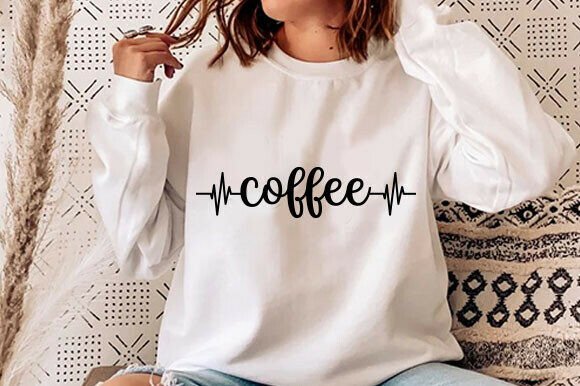
For a sweatshirt mockup, the larger size really let the design shine. The coffee-heart motif stood out clearly, and the golf pun felt more intentional and less gimmicky than some novelty embroidery graphics I’ve seen. The file worked well with both light and dark fabric backgrounds, as long as I adjusted the thread colors accordingly—white or light brown for dark fabric, black or charcoal for light.
Where to Be Cautious: Fabric, Placement, and Detail Considerations
Like any embroidery design, Coffee Heartbeat SVG has its limitations. I wouldn’t recommend it for textured or stretchy fabrics without testing first. The fine lines in the golf player’s arms and the inner curves of the coffee cup handle can get lost or distorted on unstable fabric types. I noticed slight pulling on a cotton jersey sweatshirt, which was easily corrected with a lightweight cutaway stabilizer.
Also, be mindful of hoop size. If you're working with a smaller hoop, you may need to simplify or resize the design to maintain stitch clarity. I’d also avoid placing it on curved surfaces like caps unless you're confident in your ability to adjust underlay and density to prevent distortion.
The design’s tiny lettering—"Heartbeat" beneath the graphic—can be a bit finicky. On dark fabric, it blended in too much unless I used a contrasting thread like white or yellow. On lighter fabric, it read clearly but still benefited from a slight increase in stitch density to avoid fading after washing.
Impact on Product Value and Customer Appeal
From a business standpoint, this design has definite appeal for Etsy sellers and small craft businesses. It's quirky, seasonless, and gender-neutral enough to work across a wide range of products. I can see it on embroidered tea towels, personalized mugs (via applique), or even as a patch design for boutique golf accessories.
The humor and visual cleverness of the design make it giftable, especially for birthdays, holidays, or niche-themed events. It also holds up well as a digital product preview—SVG and PNG formats render cleanly in mockups, giving buyers a clear idea of what they’re purchasing before stitching.
For commercial embroidery, this design could be a nice touch on employee apparel for a coffee shop or golf course staff. It adds a bit of personality without being too distracting, and the layout is balanced enough to work on both front and back placements.
Designer Notes for Best Results
Before jumping into a full production run or listing this as a digital product, here are a few practical steps I’d suggest:
- Always test the design on scrap fabric first, especially if you're using it on a new fabric type.
- Check thread color contrast against both light and dark backgrounds to ensure readability and visual impact.
- Review stitch density and underlay—especially in the more detailed areas like the golf player’s stance and the coffee cup curves.
- Confirm hoop size compatibility and ensure the design fits within your machine’s capabilities.
- Inspect small details like the lettering and inner lines after stitching to make sure they hold up after washing.
- Try a black and white mockup to evaluate contrast and clarity before committing to color choices.
- Use the proper stabilizer for your fabric type—cutaway for stretchy materials, tear-away for stable weaves.
- If you're selling finished items or digital files, double-check licensing terms to ensure commercial use is permitted.
Final Thoughts: A Fun, Flexible Design for the Right Project
Coffee Heartbeat SVG isn’t going to replace a classic monogram or a detailed floral motif, but that’s not its purpose. It’s a lighthearted, pun-driven graphic that works best when used intentionally—on the right product, for the right audience. Whether you're embroidering a custom tote for a coffee lover or designing a playful patch for a golfer’s bag, this SVG has the flexibility and charm to elevate your project without overcomplicating the design.
As a designer, I appreciate how cleanly it stitches out and how well it adapts to different mockups and fabric types. It’s a solid addition to any embroidery file collection, especially if you're targeting niche markets or looking for a bit of humor in your handmade line.