Juneteenth History Culture Excellence: A Designer’s Real-World Review
First Impressions: Bold, Cultural, and Conversation-Starting
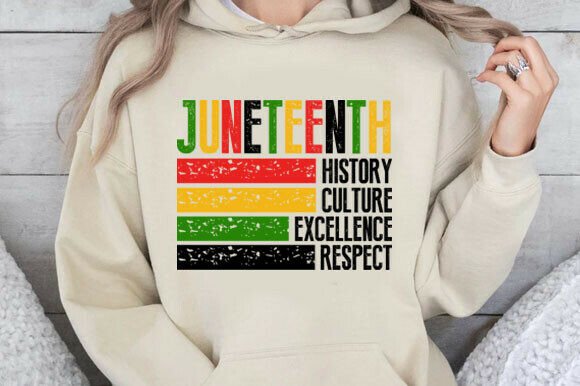
When I first opened the Juneteenth History Culture Excellence design, I was struck by its confident mix of historical reverence and modern humor. It’s not your typical embroidery layout—it blends cultural symbolism with a lighthearted golf pun, making it instantly memorable. The layout feels intentional, with a strong focal point on the golfer graphic and the text wrapping around it like a story waiting to be told.
From a design standpoint, this piece reads as both educational and playful. It's the kind of graphic that could spark a smile while still honoring a significant cultural moment. The detail level is moderate—clean enough for quick recognition, but with enough nuance to keep the eye engaged. It leans more toward a statement piece than a subtle accent, which makes it ideal for products meant to stand out.
Real-World Use: From Tote Bags to Sweatshirts
I tested the Juneteenth History Culture Excellence design on a few different materials to see how it would hold up in real-life embroidery projects. I started with a simple cotton tote bag, and the results were surprisingly sharp. The satin and fill stitches translated well, and the overall design maintained its clarity without distortion.
Next, I stitched it onto a hoodie. The thicker fabric gave the design a more substantial presence, and the contrast between the soft fabric and the bold graphics created a polished, boutique-style look. It felt like the kind of piece a small shop owner could confidently price at a premium because of its storytelling value and visual appeal.
When I tried it on a baby onesie, I was cautious about scale and detail. The text and smaller elements held up better than expected, especially when I adjusted the stitch density slightly to avoid puckering. It worked surprisingly well as a themed baby gift—especially for families who appreciate cultural awareness and a touch of humor.
Where to Use It—and Where to Be Careful
This design shines in projects that want to make a statement. It works beautifully on tote bags, sweatshirts, and tea towels where the fabric is smooth and stable. It also adapts well to personalized gifts, especially when paired with a name or date to commemorate a Juneteenth celebration.
However, I wouldn’t recommend it for very small hoop sizes. The text detail and graphic elements start to lose clarity below a 4x4 hoop. On textured or stretchy fabrics like knits or mesh, you’ll want to use extra stabilizer to prevent distortion. I noticed that on dark fabrics, some of the lighter thread colors didn’t pop as much as I’d hoped, so testing a black-and-white mockup first is a good idea.
Curved surfaces like baseball caps can be tricky too. The central graphic may need slight resizing or repositioning to fit the contour without losing impact. If you're embroidering on layered items like jackets, test the design on a similar thickness beforehand to avoid underlay issues.
Visual Appeal and Customer Impact
What really sets Juneteenth History Culture Excellence apart is its ability to engage emotionally while maintaining a high level of craftsmanship. As a designer, I know that visual appeal isn’t just about aesthetics—it’s about how a design makes the customer feel. This one walks a fine line between respectful and fun, which makes it versatile for a range of products.
For Etsy sellers and small business owners, this kind of design can boost product value by adding cultural depth and personality. It’s not just a graphic—it’s a talking point. When customers see this embroidered on a gift or boutique item, they’re likely to associate the product with thoughtfulness and quality.
From a branding perspective, it can also help maintain consistency in a product line. Whether you're selling Juneteenth-themed items or general apparel with a twist, this design fits into a cohesive visual narrative that feels intentional and well-designed.
Designer Notes: Practical Tips Before You Stitch
- Test on scrap fabric first—especially if you’re working with a new material or color combination.
- Check thread color contrast against both light and dark backgrounds to ensure visibility.
- Review stitch density if you're using textured or stretchy fabrics to avoid puckering.
- Confirm hoop size before stitching to ensure the full design fits without distortion.
- Inspect small details like text edges and graphic outlines to make sure they stitch cleanly.
- Test in black and white mockups to see how it reads without color influence.
- Use proper stabilizer—especially on thin or stretchy materials—to prevent shifting or distortion.
- Check licensing before selling finished items or digital products to ensure you're within legal bounds.
Final Thoughts: A Versatile Design for Purposeful Products
Overall, the Juneteenth History Culture Excellence design is a standout piece that bridges culture, humor, and craftsmanship. It’s well-suited for a variety of handmade and commercial embroidery projects—from tote bags to sweatshirts, baby items to boutique gifts. While it does require some attention to fabric choice and stitch settings, the payoff in visual impact and customer engagement is worth the effort.
For embroidery designers, Etsy sellers, and creative entrepreneurs, this is the kind of design that adds both personality and professionalism to your offerings. Whether you're creating for a cause, a celebration, or just a good laugh, this design has the flexibility to fit right in.